

🎬 What Can “A Minecraft Movie” Teach Us About Leadership?
Acceptance is the Foundation of Any Build.
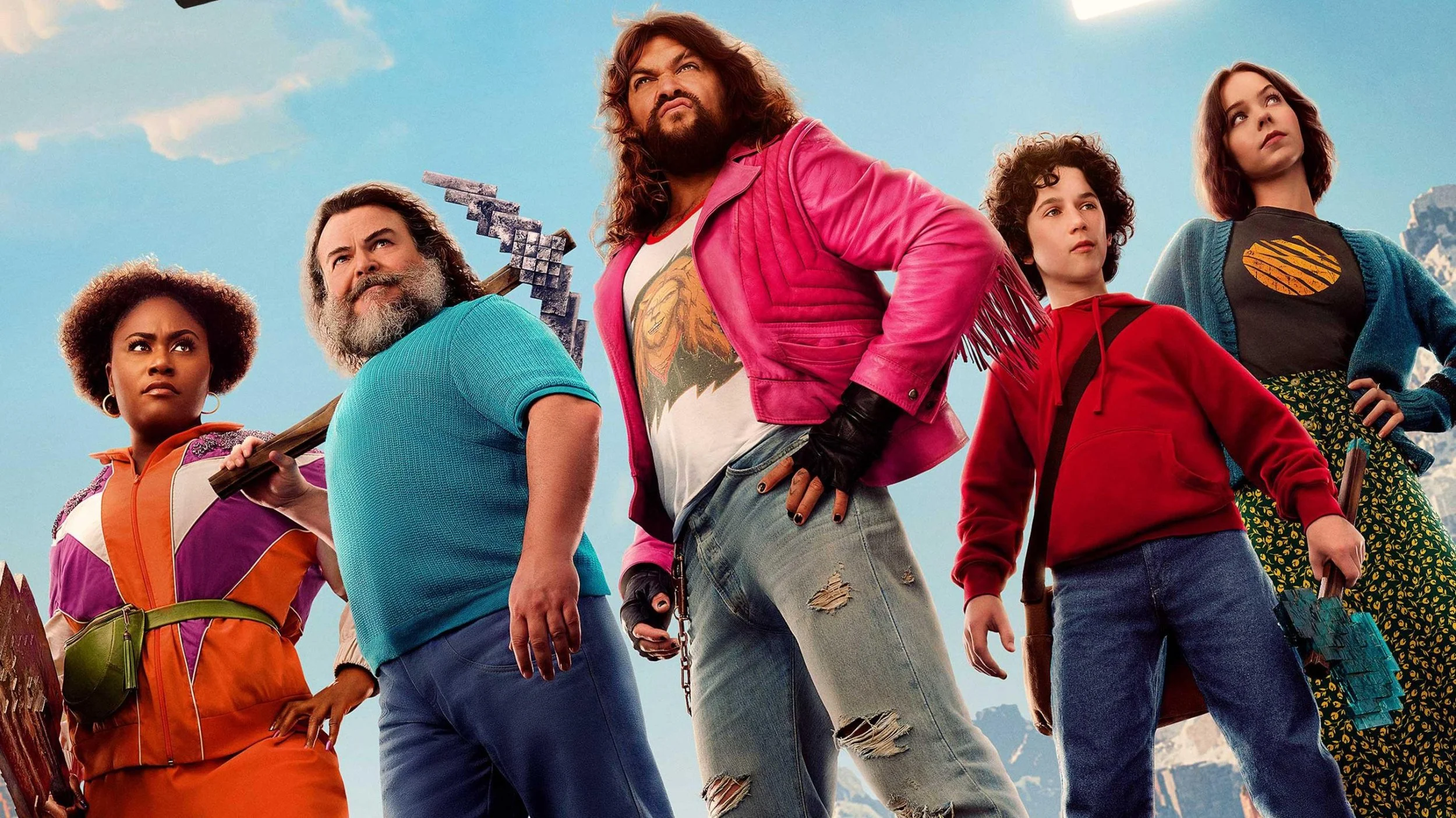
Accept who you are, and build who you are
🚨 SPOILER ALERT!
In the world of Minecraft, you can build anything you can imagine. But as the film reveals, you cannot build a meaningful life, or a powerful leadership legacy, if you are building on top of self-rejection. The most dangerous "creepers" aren't the ones in the caves; they are the internal expectations we chase when we don't accept 100% of who we are.
Through Steve (Jack Black), Garrett "The Garbage Man" Garrison (Jason Momoa), and the young Henry, we see the struggle to align doing with being.
Steve: The Expert Trapped by Identity
Steve (Jack Black) is the master of this world. He knows the mechanics, the recipes, and the survival strategies. But Steve’s challenge is the Fear of Incompleteness. He has spent so much time being "The Builder" that he has forgotten how to simply be a human who connects.
In the LeaderNess model, Steve represents the leader who has mastered the "Doing" but is hollow in his "Being." He sets impossible expectations for himself to maintain his status as an expert, yet he only finds true force when he accepts his own eccentricities and allows others into his world.
The Lesson: Expertise is a tool, but authenticity is the power source.
Garrett: The Mask of the "Garbage Man"
Garrett (Jason Momoa) is a character defined by a past he’s trying to outrun. He carries a persona, a "garbage man" archetype, that serves as a shield against his own potential. He is terrified of his own "Force." His internal expectation is to remain small and invisible because he hasn't accepted his natural ability to lead and protect.
Garrett’s journey is the shift from Fear of Greatness to Intentional Force. He proves that if you only accept 100% of your "average" self, you will never live up to the "extraordinary" leader you were meant to be.
Henry: The Burden of Potential
The kid, Henry, represents the rawest form of our theme. He is at the age where expectations start to feel like lead weights. He wants to be "the hero," but he doesn't feel like one. He struggles because he is trying to meet an idealized version of himself rather than accepting his current curiosity and vulnerability as his greatest strengths.
Henry teaches us that Potential is not a Debt. You don't "owe" the world a certain version of yourself. You lead best when you accept exactly who you are in this moment, blocks and all.
The LeaderNess Model in Action
Find: The characters must find the specific "blockage" in their self-acceptance. For Steve, it's isolation; for Garrett, it's his past; for Henry, it's his future.
Feed: They feed their growth by collaborating. They realize that a "team" isn't just a collection of skills, but a collection of accepted identities.
Fuel: They fuel their escape and victory not by becoming "perfect" versions of themselves, but by using their unique, "imperfect" traits as creative forces.
Final Reflection
Minecraft reminds us that the world is made of individual pieces that only work when they fit together as they are.
Leadership is the courage to stop "crafting" a persona and start accepting your personhood. If you don't accept 100% of who you are, you will spend your life trying to live up to a version of yourself that doesn't exist. Stop building the mask. Start building the man (or woman).