

🎬 What Can “Cape Fear” (2026) Teach Us About Leadership?
The Lies We Tell Ourselves: How Hidden Truths Destroy Our Legacy.
🚨 SPOILER ALERT!
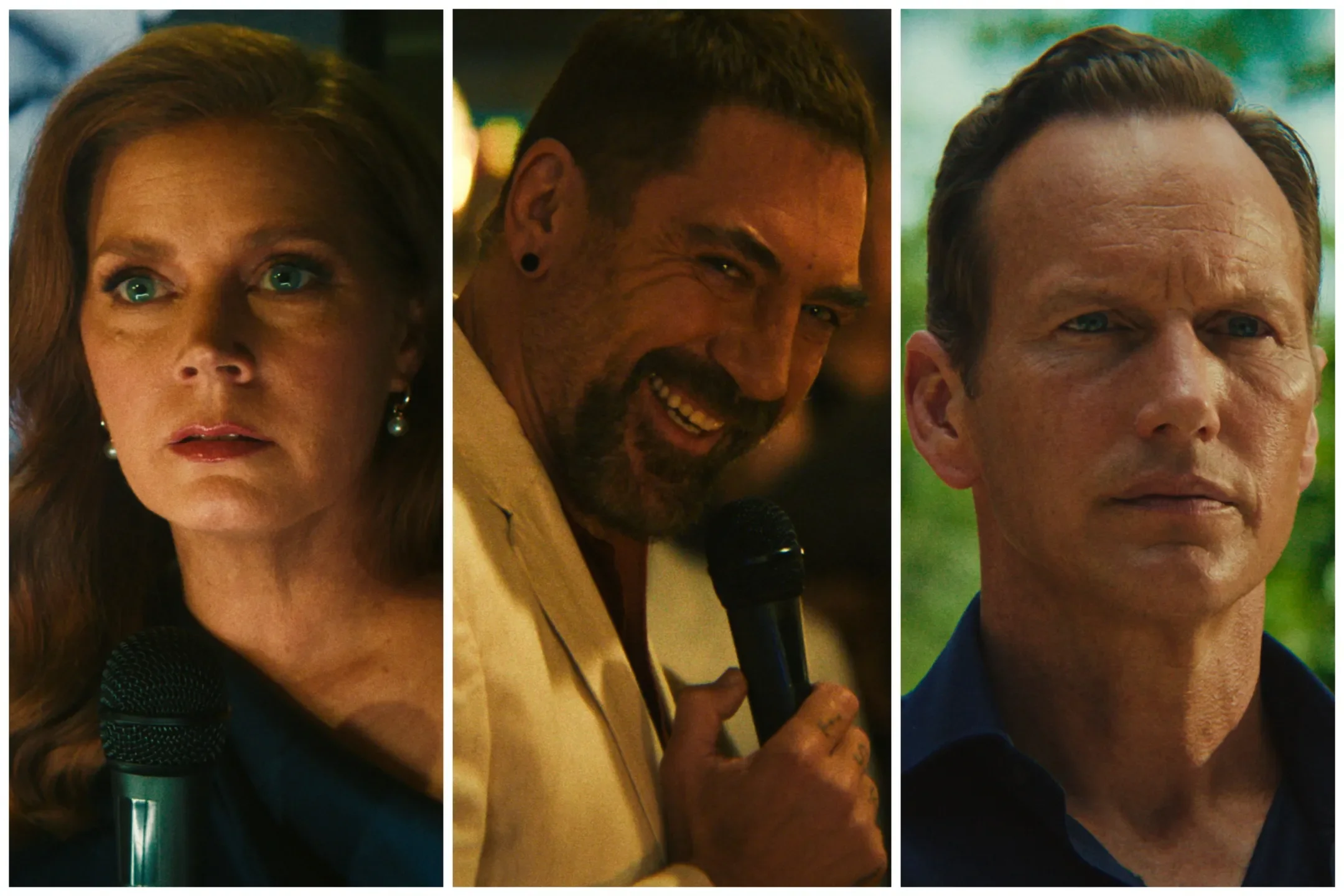
Who are you hidding?
The 2026 reimagining of Cape Fear is a harrowing psychological thriller, but at its core, it is a tragic case study in institutional and personal self-deception. It explores what happens when individuals—and leaders—build their lives and families on a foundation of lies, pretense, and hidden truths.
You can lie to some people for some time, but you cannot lie to everyone forever. When we try to be someone we are not, when we compromise our values just to fit in or protect a curated image, we create a false identity that we ultimately cannot sustain. Eventually, under enough pressure, we break—until the raw truth of who we really are is forced into the light.
The Illusion of the Perfect Exterior
In Cape Fear, the central family presents a picture-perfect image to the world. They have the status, the careers, and the social standing. But beneath the surface lies a web of unspoken compromises, suppressed instincts, and buried secrets. They are living a life designed to meet external expectations rather than internal truth.
In the LeaderNess framework, this is the classic trap of Fear-Based Compliance.
The Fear: "If they see who I really am, or if the truth comes out, I will lose everything—my status, my standing, my control."
The Reality: The energy spent maintaining the lie starves the relationships of real connection. By trying to protect a false identity, you build a fragile system that is destined to collapse.
The Breaking Point: Pressure Reveals Essence
When an external threat (embodied by the relentless pressure of Max Cady) invades their lives, the family's carefully constructed facade shatters. The lies don't protect them; the lies leave them vulnerable, isolated, and paralyzed.
Pressure doesn't create character—it reveals it. As the pressure builds, the characters are forced to strip away the armor of who they pretended to be. They break. But in that breaking, they are finally forced to confront their real nature.
How often do we see this in business?
The Symptom: Executives who hide operational risks, cover up cultural toxicity, or pretend to have all the answers to fit a corporate mold.
The Cost: Lies kill trust, kill psychological safety, and eventually kill the business itself. You cannot run an organization on a rented reality.
The LeaderNess Model in Action
Find: Leaders must Find the underlying fears driving their self-deception. What truth are you running from? What mask are you wearing to avoid judgment or rejection?
Feed: We must stop Feeding the illusion. Authenticity requires feeding your true conviction, even when it feels uncomfortable or risky.
Fuel: Real transformation is Fueled by radical honesty and congruence. When who you are on the inside matches what you show on the outside, you step into unshakeable Force.
Final Reflection
Cape Fear delivers a stark warning to every founder, executive, and parent: Lies are a debt that always comes due.
Stop trying to be who others expect you to be. Stop hiding your real nature just to fit in. Have the courage to drop the mask voluntarily before a crisis forces it off.
True leadership begins the moment you stop performing the lie and start living the truth