

Welcome to the LeaderNess Blog

🎬 What Can “Good Morning, Vietnam” Teach Us About Leadership?
Are your fear-based habits capping your leadership impact? In this analysis of the classic film Good Morning, Vietnam, we leverage the LeaderNess framework (Find, Feed, Fuel) to explore the clash between passive distancing and toxic micromanagement. Discover how the fear of failure and the fear of inadequacy distort executive behavior, and learn how shifting toward authentic responsibility unlocks true team alignment.
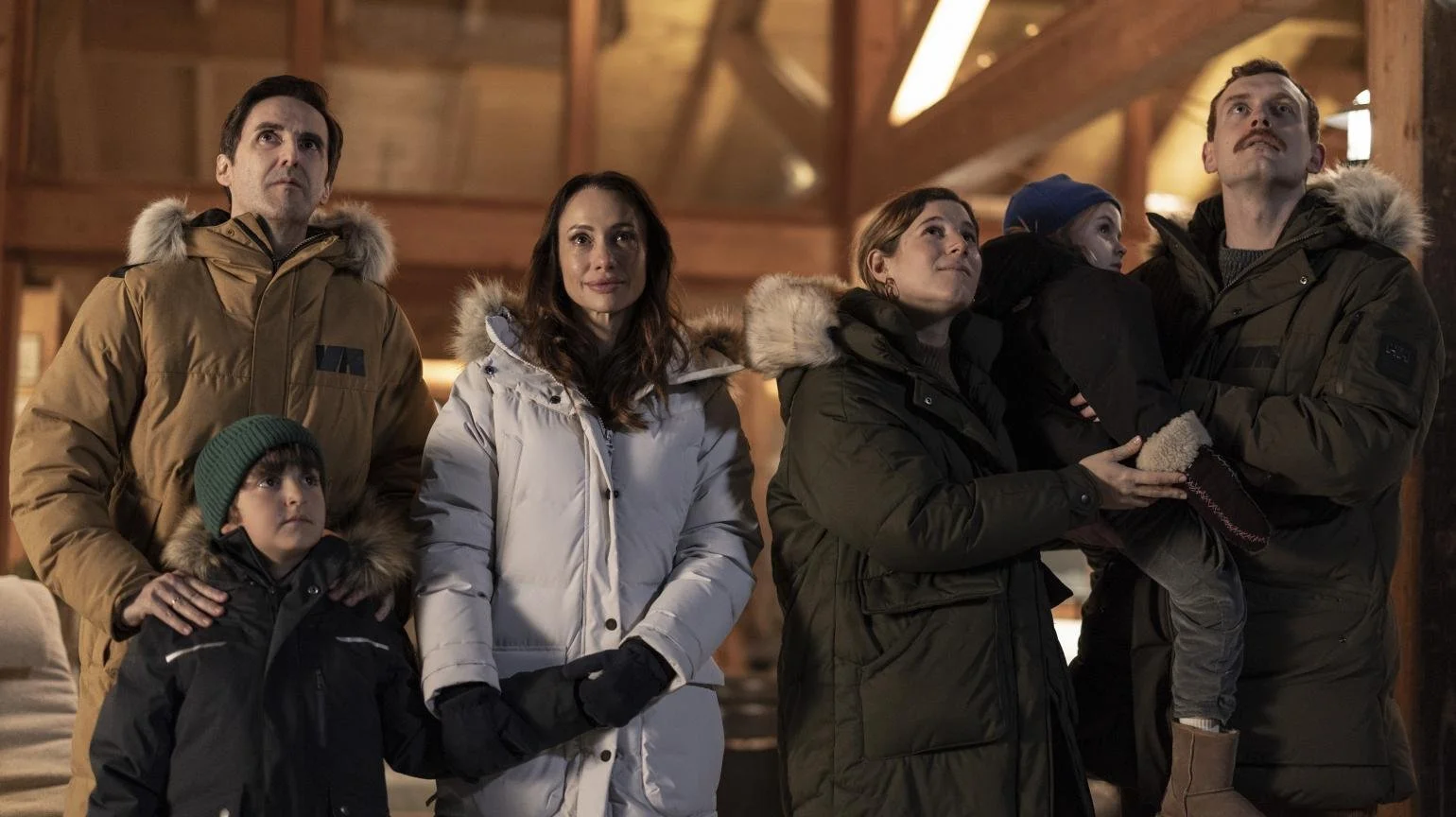
🎬 What Can “Laponia” Teach Us About Leadership?
Are your leadership rules serving your team—or hiding your fears? In this psychological analysis of the film Laponia, we explore how leaders project their childhood wounds and mental constructs onto employees and children. Discover through the LeaderNess framework why "our truth" is often a fear-based defense mechanism, and how shifting from personal projection to authentic presence transforms team culture and self-awareness.

🎬 What Can “Disclosure Day” Teach Us About Leadership?
Is the fear of reaction silencing your team's best ideas? In this analysis of Steven Spielberg's Disclosure Day, we explore Hugo's message on empathy as a superpower and examine why fear blocks authentic communication. Using the LeaderNess framework, discover how leaders can build the emotional capacity to digest hard truths and transition their culture from fear-based compliance to force-driven presence.

🎬 What Can “Cape Fear” (2026) Teach Us About Leadership?
Why do hidden truths and false identities destroy leadership systems? In this analysis of Cape Fear (2026), we use the LeaderNess model (Find, Feed, Fuel) to explore how lies, external expectations, and self-deception erode trust and invite systemic collapse [source: 1]. Discover why trying to fit in kills authenticity, and learn how shifting from fear-based compliance to radical, force-driven truth can save your leadership and your organization [source: 1].

🎬 What Can “The Devil Wears Prada 2” Teach Us About Leadership?
What is the true psychological cost of corporate success? In this leadership analysis of The Devil Wears Prada 2, we examine characters played by Meryl Streep, Anne Hathaway, Emily Blunt, and Stanley Tucci through the LeaderNess framework. Discover how unaddressed childhood wounds shape working culture, why overwork is often a fear-based trauma response, and how leaders can shift from performance anxiety to authentic presence.
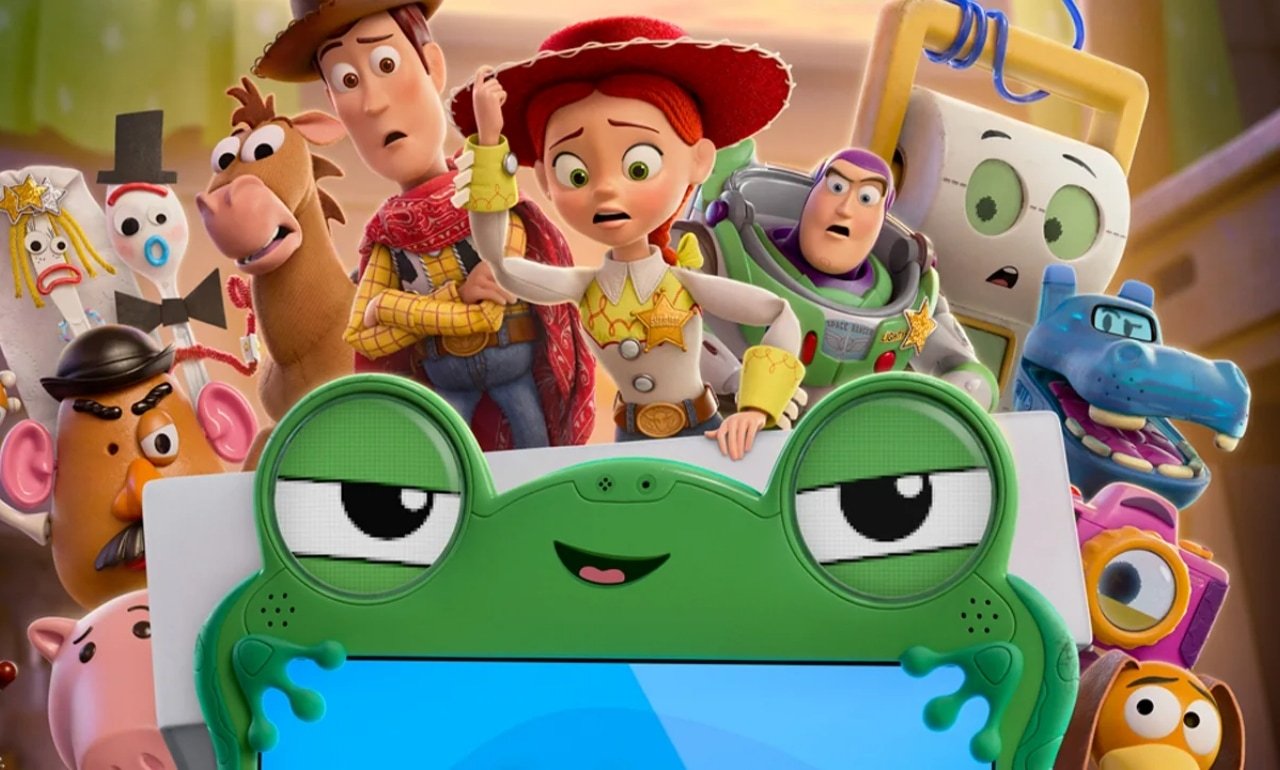
🎬 What Can “Toy Story 5” Teach Us About Leadership?
Is your need for digital validation capping your company’s growth? In this deep leadership analysis of Toy Story 5 (2026), we apply the proprietary LeaderNess model (Find, Feed, Fuel) to explore the counterintuitive "Belonging Trap." Discover why trying to fit into a curated mold or social media matrix suppresses your unique identity, how accepting the finity of cycles brings mental peace, and why true executive presence requires a total shift from fear-based compliance to authentic, force-driven presence.

🎬 What Can “Los Domingos” Teach Us About Leadership?
How do fear and a lack of psychological safety destroy employee autonomy and corporate execution? Looking at the acclaimed Spanish film Los Domingos, we apply the LeaderNess model (Find, Feed, Fuel) to explore how institutional systems exploit personal panic and unhealed trauma for systemic benefit. Discover why forcing high-stakes commitments during times of acute professional burnout or emotional exhaustion damages organizational alignment—and how leaders can cultivate authentic presence to protect their team's mental clarity and unique potential.

🎬 What Can “Zootopia 2” Teach Us About Leadership?
Why does the corporate obsession with "fitting in" destroy team innovation? In this analysis of Zootopia 2 (2025), we explore how Judy Hopps and Nick Wilde's undercover journey reveals the hidden cost of fear-based belonging. Learn how the LeaderNess framework explains why uniformity breeds exclusion, and how transitioning from compliance to authenticity can revive the inner spirit of your organization.

🎬 What Can “Michael” Teach Us About Leadership?
What is the true organizational and personal cost of fear-driven genius? In this deep leadership analysis of Antoine Fuqua's biographical drama Michael (2026), we look at the characters of Michael and Joe Jackson through the LeaderNess lens. Discover how attachment trauma, parental expectation, and performance anxiety can warp self-worth, and learn why managing external metrics while ignoring internal alignment creates a fragile infrastructure that ultimately collapses.

🎬 What Can “Rafa” Teach Us About Leadership?
What is the hidden psychological cost of fear-driven success? In this leadership analysis of the Netflix documentary series Rafa, we explore Rafael Nadal's career through the LeaderNess model. Discover how foundational wounds shape a leader's character strategy, contrast the fear-based coaching of Toni Nadal with the force-based approach of Carlos Moyá, and learn why true executive presence requires shifting from constant survival to authentic, sustainable purpose.

🎬 What Can “Your Friends & Neighbors” Teach Us About Leadership?
What is the hidden cost of protecting a corporate or personal image? In this analysis of the hit drama Your Friends & Neighbors (2025), we use the LeaderNess model to explore how a disgraced hedge fund manager turns to crime to maintain a suburban illusion. Discover the psychological traps of leading from fear, the emptiness of external validation, and how prioritizing status over internal conviction causes leaders to lose their purpose—and eventually, their organizations.
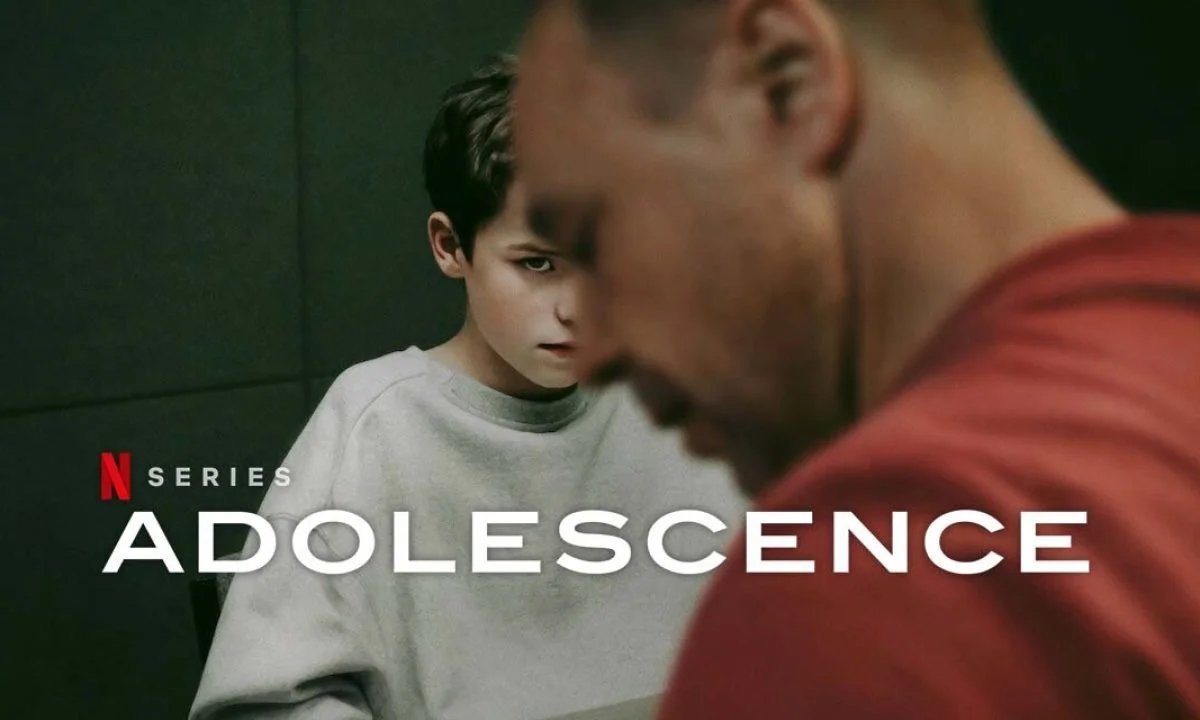
🎬 What Can “Adolescence” Teach Us About Leadership?
How does unaddressed shame cap leadership effectiveness and destroy culture? In this psychological breakdown of the award-winning series Adolescence (2025), we leverage the LeaderNess framework (Find, Feed, Fuel) to explore how parental expectation, toxic social media algorithms, and childhood rejection can transform insecurity into structural failure. Discover why managing symptoms instead of root causes leaves leaders blind to hidden liabilities—and how moving from performance anxiety to authentic presence can safeguard your organization.

🎬 What Can “Novembre” Teach Us About Leadership?
How do high-pressure environments trigger fear-based leadership? In this analysis of the film Nuremberg / Novembre (2022), we examine the institutional anxiety, performance fear, and political pressure surrounding the Paris manhunt. Discover how the LeaderNess framework provides an alternative roadmap—shifting from panic and exploitation to empathy, curiosity, and authentic, force-driven execution in times of absolute crisis.
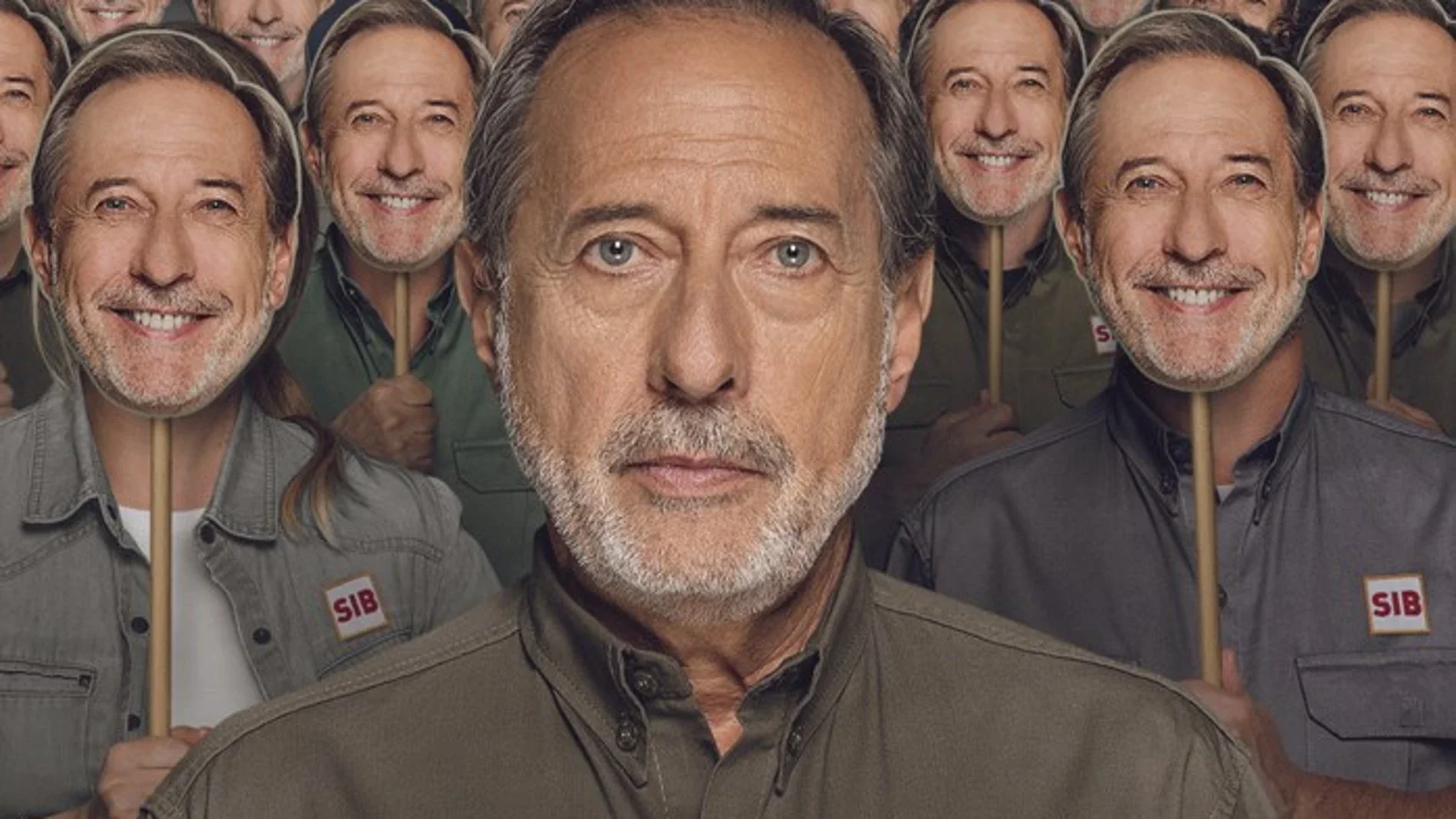
🎬 What Can “The Boss” (El Encargado) Teach Us About Leadership?
Why do so many boardroom battles feel like playground fights? In this leadership analysis of the series The Boss (El Encargado), we examine the toxic power struggle between Eliseo and Matías Zambrano through the LeaderNess lens. Discover how a desperate search for self-worth and unhealed inner child wounds can hijack organizational leadership, and learn why authentic force requires shifting from performance to pure presence.

🎬 What Can “Minions” Teach Us About Leadership?
Are you trapped in the "Minion Mindset"? In this leadership analysis of the Minions franchise, we explore the "Leader-Seeking" trap and why so many executives look for external validation instead of internal Force. Learn how the LeaderNess model helps you break the cycle of dependency and reclaim your agency to become your own authentic leader.
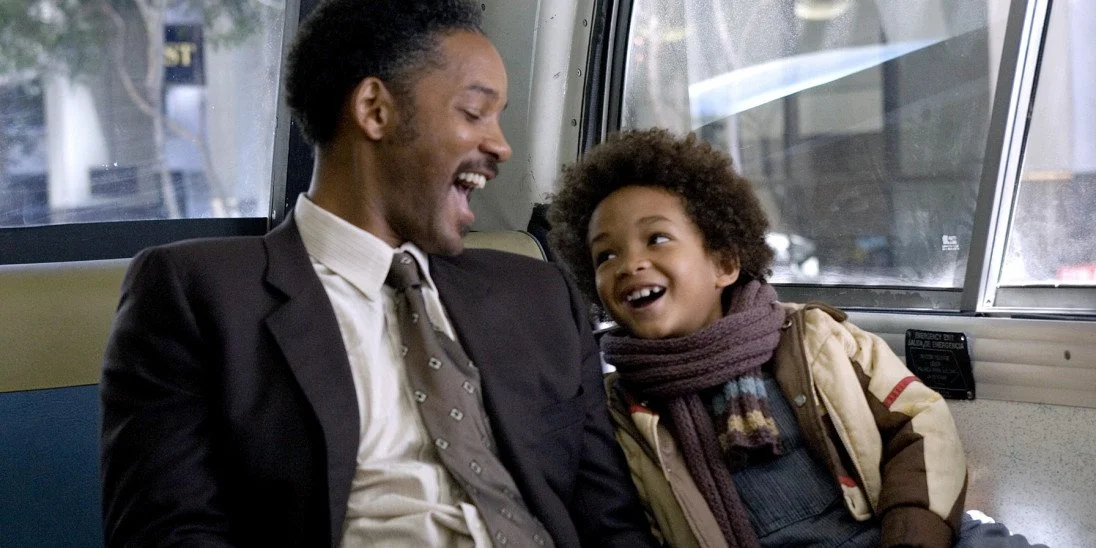
🎬 What Can “The Pursuit of Happyness” Teach Us About Leadership?
How do you lead when you've lost everything? In this analysis of The Pursuit of Happyness, we explore Chris Gardner's journey through the LeaderNess lens. Discover how resilience, discipline, and a refusal to accept "impossible" as an answer can transform a leader's life and the lives of those they protect. Learn why protecting your team's potential is the ultimate leadership act.

🎬 What Can “Rental Family” Teach Us About Leadership?
Can you really rent success? In this leadership analysis of the 2025 film Rental Family, we explore the stories of clients who pay for the illusion of connection. Using the LeaderNess lens, we examine why avoiding the truth creates a "Rented Reality" that eventually collapses, and why leading from authenticity and congruence is the only way to build a legacy that lasts.

🎬 What Can “The Naked Gun” (2025) Teach Us About Leadership?
What happens when leaders stop performing and start being? Exploring the 2025 version of The Naked Gun, we analyze the leadership journeys of Liam Neeson and Pamela Anderson through the LeaderNess lens. Discover why living up to external expectations is a nightmare, and learn how reclaiming your self-worth and authenticity allows you to lead with genuine, unfiltered Force.

🎬 What Can “The Housemaid” Teach Us About Leadership?
Is "punishment culture" killing your team's potential? In this analysis of the film The Housemaid, we explore the toxic cycle of blame, guilt, and "teaching lessons" as a substitute for real leadership. Discover how the LeaderNess framework (Find, Feed, Fuel) advocates for vulnerability and responsibility over retribution, and why taking care of people is the only way to truly deserve the privilege of power.

🎬 What Can “Shrinking” Teach Us About Leadership?
Why is authenticity the ultimate leadership "breakthrough"? In this analysis of the series Shrinking, we look at the characters played by Jason Segel, Harrison Ford, and Jessica Williams through the LeaderNess lens. Discover how dropping the professional mask and embracing vulnerability allows leaders to move from "Fear-based" isolation to "Force-based" connection and growth.