

🎬 What can “Predator: Badlands” teach us about Leadership?
Dominance is Not Direction. Connection is Power.
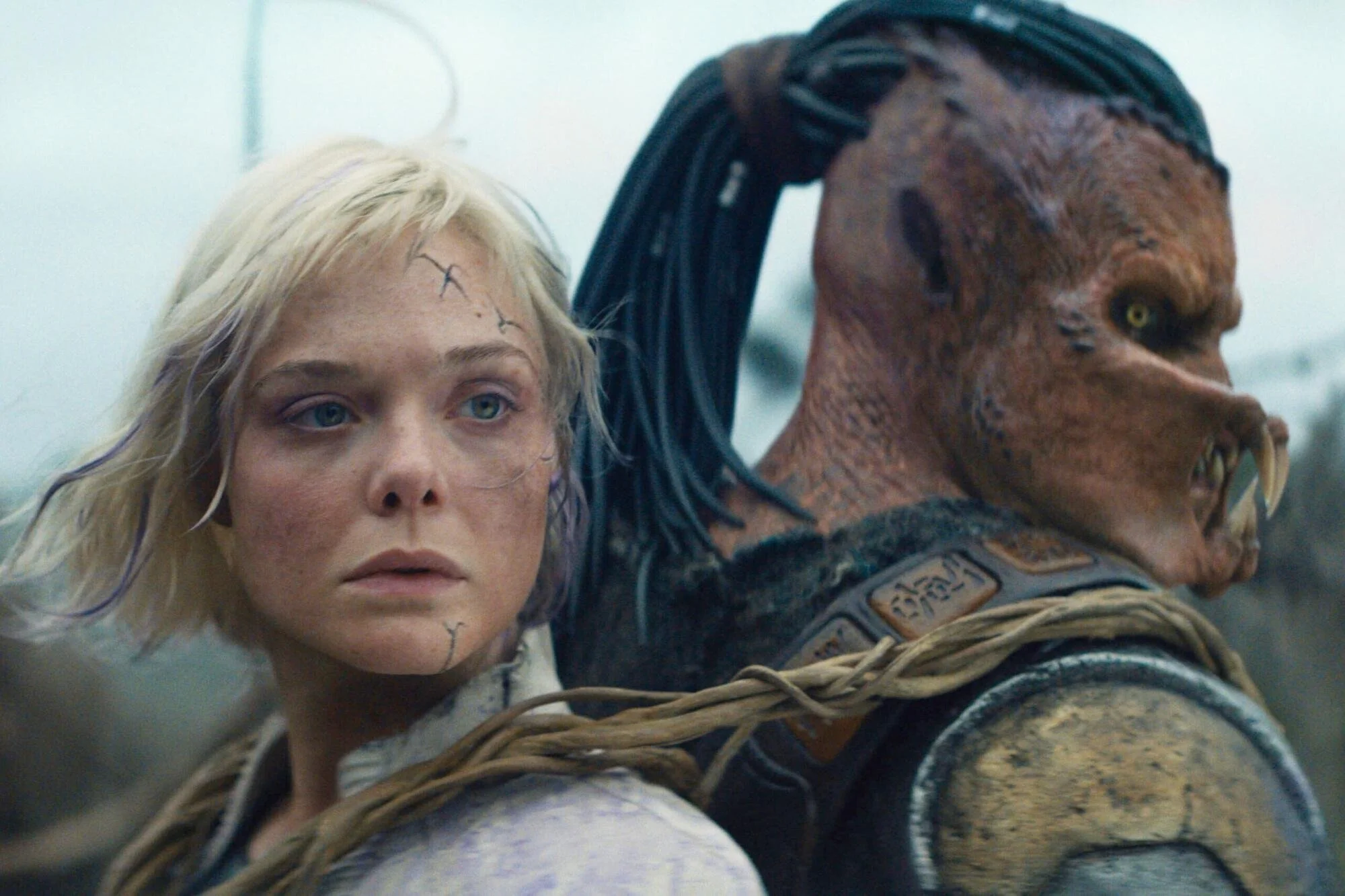
Connection is power
🚨 SPOILER ALERT!
In Predator: Badlands, we are dropped into a world of survival where the stakes are absolute. While the film is a masterclass in tension, the true conflict isn’t just between humans and an intergalactic hunter—it is between two irreconcilable styles of leadership.
Through the eyes of the main character, Dek, we see the shift from a leadership of Fear to a leadership of Force.
The Father: The Aggressive Architect of Fear
Dek’s father represents the archetype of the "Alpha" leader—aggressive, dominating, and loud. His philosophy is simple: control through intimidation. He believes that to lead is to be the strongest in the room, and to ensure no one else challenges that strength.
This is Fear-Based Leadership. It is rooted in the father's own insecurity, the fear of appearing weak or losing control.
The Trap: He treats his team (and family) as extensions of his will.
The Result: He creates compliance, but never loyalty. When the Predator arrives, a force that cannot be intimidated, his leadership style collapses because it has no foundation in trust.
Dek: The Wolf Pack Mentality
In contrast, Dek embodies a different kind of strength. He doesn’t lead by standing over his team; he leads by standing with them. His approach is a Wolf Pack model, leadership at the service of the team.
He understands that true power comes from connection. He doesn’t ignore fear; she uses it. He acknowledges the terror the Predator brings and uses that shared vulnerability to bind the group together.
The Shift: He moves from the "I" of his father to the "We" of the pack.
The Force: Her leadership is fueled by Authenticity and Empathy. He sees the unique strengths of those around him and creates the space for them to contribute.
The Sacrifice: The Ultimate Act of Service
The character of the brother provides the emotional anchor for this transformation. His sacrifice at the beginning is the ultimate rejection of their father’s "every man for himself" shadow.
In the LeaderNess model, sacrifice is the highest expression of Fuel. It is the moment where leadership transcends ego and becomes entirely about the survival and thriving of the mission. By giving himself, the brother provides the opening Dek needs to lead the pack to victory. He proves that the greatest force isn't the one who kills, it’s the one who protects.
The LeaderNess Model in Action
Find: The father "finds" only his need to dominate. Dek finds his force in interdependence.
Feed: Dek feeds the team’s connection. He listens to the forest, to the hunt, and to his people.
Fuel: The brother's sacrifice fuels the final stand. It turns a group of individuals into a singular, unstoppable force.
Final Reflection
Predator: Badlands reminds us that Dominance is a ceiling. It can only take a team as far as the leader’s own strength. But Connection is an engine. True leadership isn't about being the "Apex Predator" in the boardroom. It’s about building a pack where everyone is at the service of the mission.