

🎬 What Can “Sinners” Teach Us About Leadership?
Uniformity is not Harmony. It’s Fear.
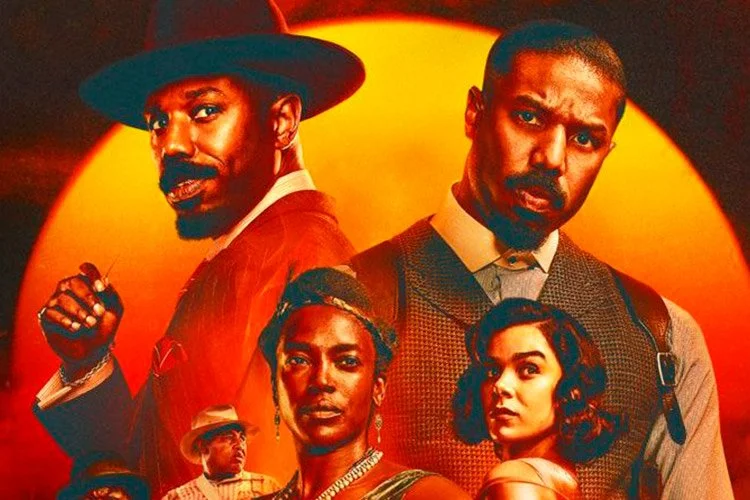
Uniqueness or Uniformity?
🚨 SPOILER ALERT!
In Ryan Coogler’s Sinners, we are confronted with a terrifying choice. But the real horror isn't the fangs or the shadows, it's the philosophy of the antagonist. The "vampire" in this story doesn't just want to consume; he wants to "save."
His argument for turning others into vampires is framed as a quest for harmony. He promises a world without conflict, without pain, and without the messy friction of human difference. But as leaders, we must ask: At what cost?
The Trap of Uniformity
The villain in Sinners leads from a place of deep, existential fear. He is afraid of the "noise" of humanity, the unpredictability of individual choice, and the vulnerability of being unique.
To solve this, he offers uniformity.
If everyone were the same, there would be no war.
If everyone has the same needs, there is no greed.
If everyone is a "sinner" in the same way, no one is judged.
But this isn’t leadership; it’s fear disguised. When we, as leaders, try to make our teams "fit the mold" or act as extensions of our own ego, we aren't creating harmony. We are creating a graveyard of potential.
Your Worst Fear: Being Seen or Being Erased?
The film forces the protagonists to face their worst fears. For many, the worst fear isn't death—it's the loss of identity.
In the LeaderNess model, we often see leaders so afraid of conflict or "unpredictable" talent that they unconsciously adopt an authoritarian style. They want everyone to "think like them." This is a fear-based response to the world's complexity.
The vampire represents the ultimate "safe" choice: give up your uniqueness, and I will give you eternal, frictionless peace. But force-based leadership tells us that peace without uniqueness is just a different name for a cage.
The LeaderNess Model in Action
Find: The characters must find the fear that makes the vampire’s offer tempting. Is it the fear of being alone? The fear of failing as a human?
Feed: Instead of feeding the "easy" path of uniformity, they must feed their belief in their own unique (and often "sinful" or messy) humanity.
Fuel: They fuel their resistance not with hate, but with the courage to remain individuals, even if it means remaining vulnerable.
Final Reflection
Sinners reminds us that the most dangerous leaders are those who offer "harmony" at the price of your soul.
True harmony isn't a choir of people singing the exact same note in a haunting, monotone drone. True harmony is a symphony—where different instruments, playing different notes, with different textures, come together to create something that a single note never could.
Don't lead by erasing the differences in your team. Lead by conducting them.