

🎬 What Can Zootopia Teach Us About Leadership?
When leadership is driven by fear, it protects the system. When it’s driven by purpose, it changes it.
Make your own choices
🚨 SPOILER ALERT!
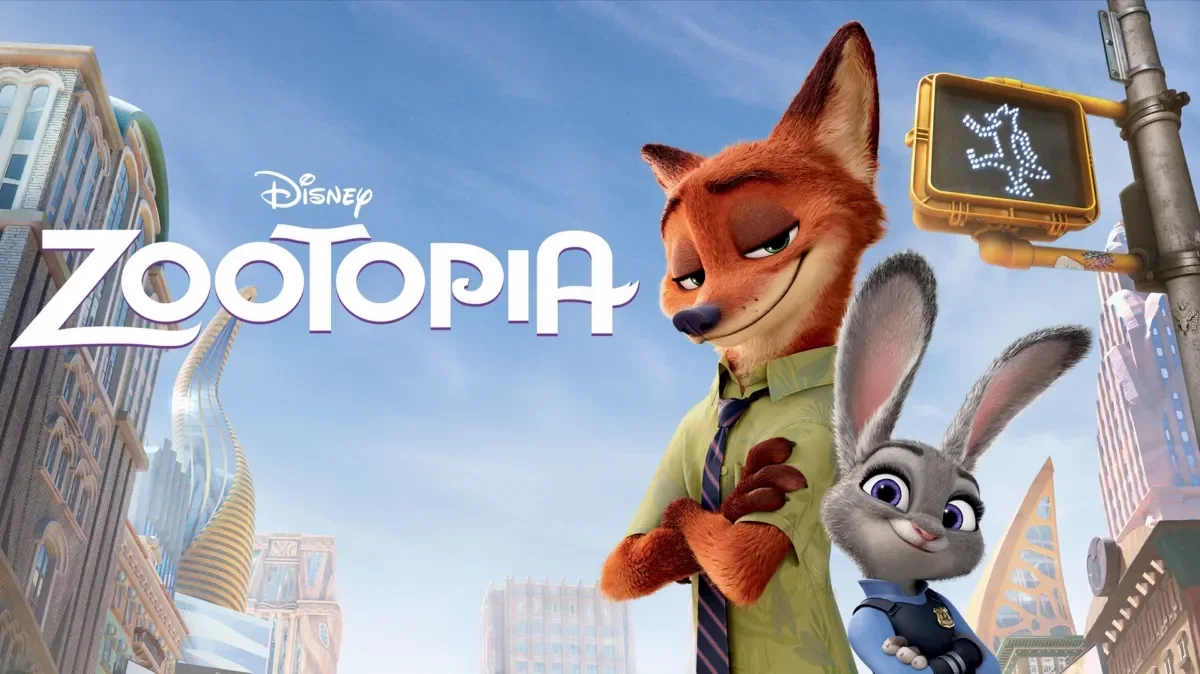
Zootopia looks like a colorful animated film about animals living together.
In reality, it’s a sharp leadership story about systems built on fear, bias disguised as realism, and the courage it takes to lead from conviction when everyone tells you it’s impossible.
At the heart of the film is Judy Hopps, a rabbit who wants to become a police officer in a world that has already decided who she is allowed to be.
Her journey is a masterclass in leadership under pressure.
🐰 Judy Hopps — Leading from Conviction and Purpose
From the very beginning, Judy knows who she is.
She doesn’t want power.
She doesn’t want status.
She wants to serve.
“I want to make the world a better place.”
Her force is conviction — a deep inner belief that she belongs where she feels called to be.
But every step of the way, fear-based leadership pushes back.
🏡 Fear Starts at Home — “It’s Not Safe for a Bunny”
Judy’s parents love her. And yet, they are her first obstacle.
They tell her:
“Bunnies don’t do that.”
“The world is dangerous.”
“Be realistic.”
Their leadership is protective — but fear-driven.
They want safety, not growth.
Survival, not purpose.
This is the first lesson of Zootopia:
Fear often disguises itself as care.
And if we let it lead, it quietly limits who we become.
🚔 The Police System — Fear Disguised as Meritocracy
When Judy joins the Zootopia Police Department, the resistance becomes institutional.
She’s underestimated.
She’s sidelined.
She’s assigned parking duty.
Not because she lacks competence, but because the system doesn’t believe someone like her should succeed.
This is fear-based leadership at scale:
“That’s how things are.”
“You don’t fit the profile.”
“This is for your own good.”
The system isn’t neutral. It protects itself by keeping roles predictable.
And purpose-driven leaders always threaten predictable systems.
🦊 Fear Spreads — Even Judy Isn’t Immune
One of the most powerful moments in the film is when Judy herself starts leading from fear.
Under pressure, she buys into the narrative:
predators are dangerous
fear equals safety
control equals order
She unintentionally reinforces the very system she was fighting.
This is a critical leadership insight:
Even leaders driven by purpose can fall into fear when the system pushes hard enough.
Awareness — not perfection — is what brings her back.
🐑 The Villain — Fear as a Political Strategy
The true antagonist of Zootopia isn’t a predator, it’s fear weaponized as leadership.
The villain creates division, suspicion, and panic to gain control.
She leads by:
amplifying stereotypes
exploiting uncertainty
turning groups against each other
This is authoritarian leadership in its purest form:
Fear creates obedience.
Obedience creates power.
But it also destroys trust, collaboration, and community.
💡 The LeaderNess Model in Action
Zootopia perfectly illustrates the LeaderNess journey:
🔹 Find
Judy finds her force: conviction, purpose, service.
The system finds its fear: uncertainty, difference, loss of control.
🔹 Feed
Judy feeds curiosity, collaboration, and courage.
The system feeds bias, stereotypes, and “realism.”
🔹 Fuel
Judy fuels change by acting from belief — even when alone.
Fear-based leaders fuel division to maintain power.
Leadership always amplifies what drives it.
✨ Final Reflection
Zootopia reminds us that leadership is not about fitting in, it’s about standing for something.
Fear-based leadership says:
“This is how the world works.”
Purpose-driven leadership asks:
“What if it could work differently?”
Judy doesn’t change Zootopia because she’s the strongest.
She changes it because she refuses to stop believing.
And that’s the question every leader must answer:
Are you protecting the system… or transforming it?