

🎬 What Can “Laponia” Teach Us About Leadership?
The Projections of Fear: Why Our "Truths" Are Just Our Defenses.
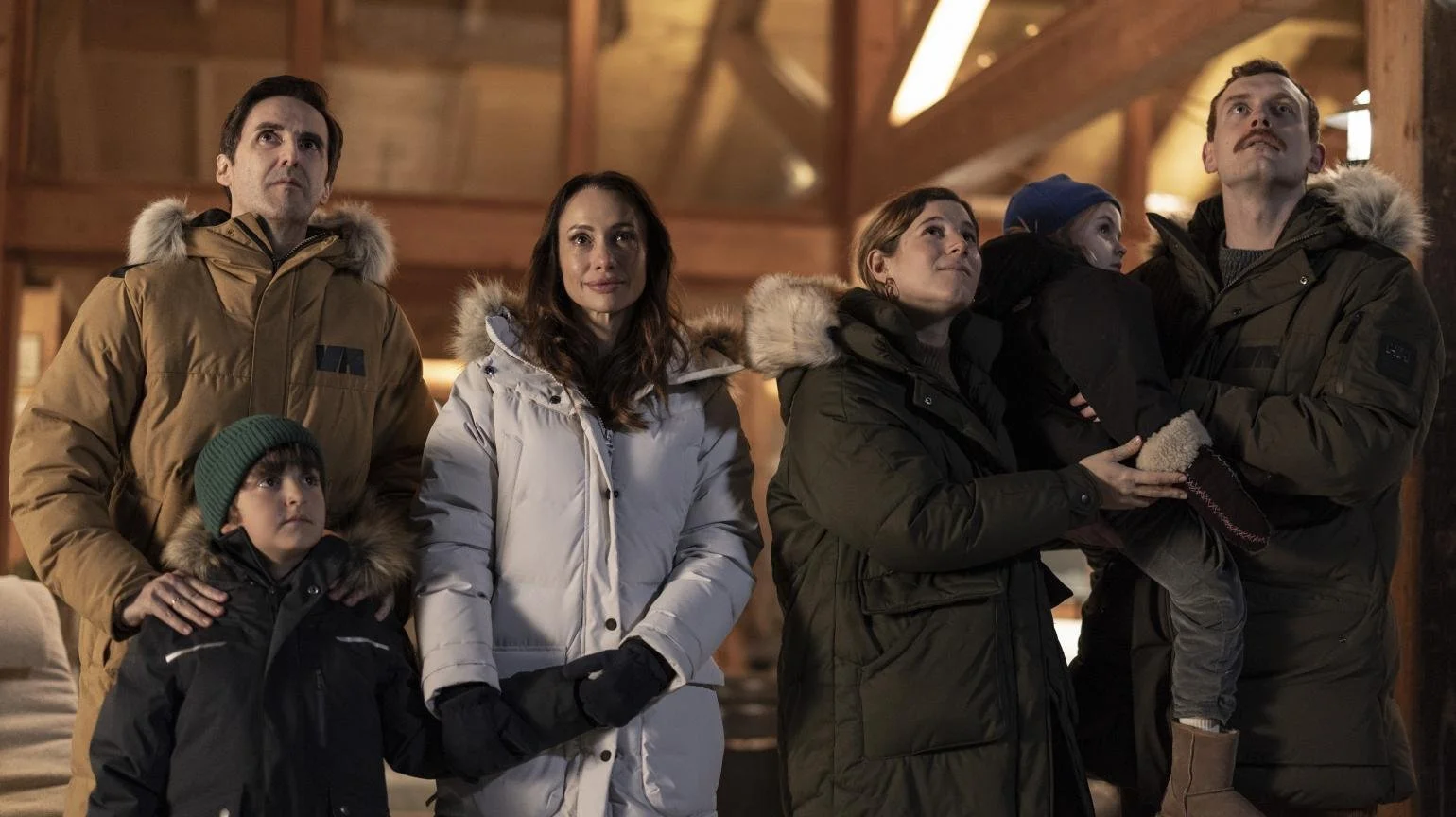
What are you hidding behind your beliefs?
🚨 SPOILER ALERT!
The Spanish comedy, drama Laponia, adapted from the play by Marc Angelet and Jordi Casanovas, presents a razor-sharp, deeply uncomfortable mirror. On the surface, it’s a cultural confrontation in Finland over a childhood dilemma: Does Santa Claus exist, and should we lie to our kids?
Beneath the debate lies a universal, psychological reality that plagues every parent, manager, and executive: We constantly project our own beliefs and mental constructs onto others, mainly our children and our employees.
"Our truth" is rarely an objective reality. More often, it is nothing more than the narrative construct we built to deal with our own unhealed wounds and fears.
The Four Characters: Four Constructs Built on Fear
1. Mónica: The Nostalgic Escapist
Mónica (the visiting Spanish sister) is desperately fighting to keep the magic of Santa Claus alive for her child, clashing with the Finnish environment.
The Reality: Mónica is terrified of harsh reality, failure, and losing the warmth of childhood safety. Her obsession with preserving illusion isn't about her child, it’s about her. She projects her fear of a cold, unfeeling world onto her family, using nostalgia as an emotional security blanket.
2. Olavi: The Perfectionist Shield
Olavi (the Finnish husband) embodies cold, distant, hyper-rational logic and absolute order. He insists on total honesty, rejecting tradition as foolish.
The Reality: His demand for "truth" is a defense mechanism. Having built a life on predictability, his rigidity is how he maintains total control. He projects his fear of emotional chaos onto those around him, disguising his detachment as "progressive, rational living."
3. Nuria: The Compliant Mediator
Nuria (Mónica’s sister and Olavi’s wife) spends the film treading water, trying to keep the peace between her rigid husband and her emotionally expressive sister.
The Reality: Nuria’s core fear is conflict and rejection. She has suppressed her own voice to adapt to her husband's environment and her sister's demands. She projects compliance, swallowing her own instincts to keep the family construct from shattering.
4. Ramón: The Reactive Defender
Ramón (Mónica’s partner) amplifies the cultural defense, reacting loudly to any perceived judgment from their Finnish hosts.
The Reality: Ramón’s bravado hides a deep insecurity about status and belonging. He uses emotional defensiveness as a shield, projecting his fear of inadequacy onto the debate to avoid feeling judged.
The Corporate Parallel: Projecting Constructs in the Boardroom
How often do we see this in business? Founders and executives frequently create "company truths" that are actually personal trauma responses:
A leader who suffered from micromanagement in the past creates an unstructured environment, projecting their fear of authority onto their team.
A founder who grew up in financial instability demands ruthless over-performance, projecting their fear of scarcity onto their employees.
When we force others to live by our rules, we aren't leading them, we are using them to validate our defense mechanisms.
The LeaderNess Model in Action
Find: Identify when an organizational "value" or "truth" is actually a personal fear-based construct. Are you setting a boundary to help the team grow, or to quiet your own anxiety?
Feed: Feed true Awareness and Presence. Recognize that your children and employees have their own unique essence, separate from your past wounds.
Fuel: Fuel a culture of Authenticity. Real force begins when you drop the need to force your mental constructs onto others.
Final Reflection
Laponia reminds us that the hardest part of leadership is separating our past from someone else’s present. Stop forcing your team or family to inhabit the fortress you built to protect yourself. Have the courage to dismantle your projections, face your fears, and allow others the space to discover their own truth.