

🎬 What Can Silent Night Teach Us About Leadership and Pain?
Pain is inevitable. Suffering is optional.
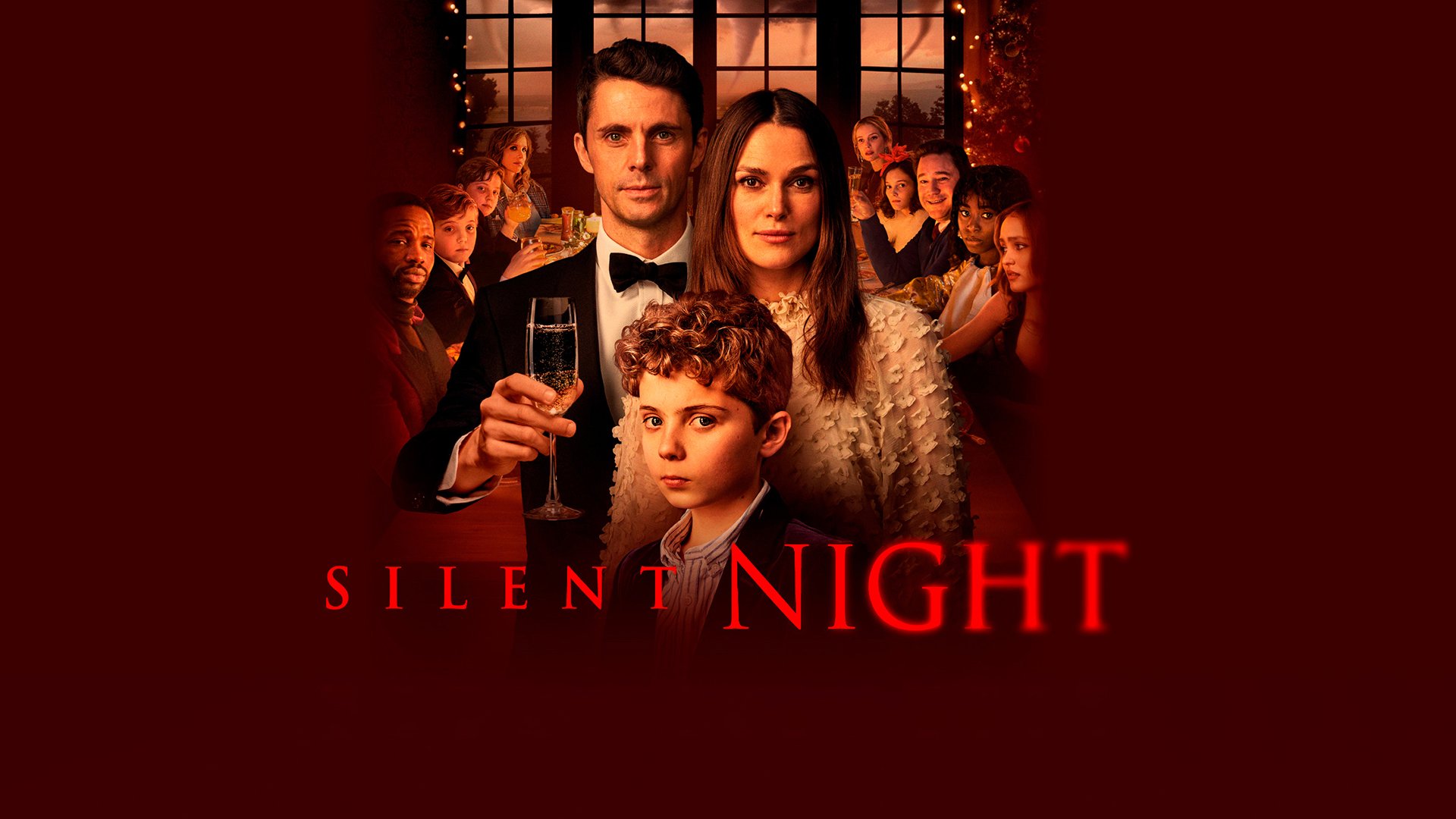
Avoiding your destiny
🚨 SPOILER ALERT!
Silent Night is a haunting film — not because of what it shows, but because of what it reveals.
At its core, it’s not about death. It’s about avoidance.
The film explores a radical and uncomfortable truth:
We are capable of avoiding pain so deeply that we end up destroying ourselves.
And no character embodies this more powerfully than the child who survives — the only one left to live with what others chose not to feel.
Pain vs. Suffering — The Equation We Forget
There’s a simple idea that explains the emotional core of Silent Night:
Suffering = Pain × Resistance
Pain is part of being human.
Loss, grief, fear, uncertainty — they come with life.
But suffering explodes when we refuse to feel pain.
When we numb it.
When we escape it.
When we try to control it away.
In Silent Night, the adults choose certainty over pain.
Control over vulnerability.
Avoidance over presence.
And in doing so, they leave the greatest burden to the one person who doesn’t get to choose.
👶 The Child — Carrying What Others Refuse to Feel
The most devastating leadership lesson of the film is not about death; it’s about destiny.
The child survives not because he is stronger, but because everyone else chooses not to stay.
They avoid pain by ending it. He must now live alone inside it.
This is what happens in leadership — in families, teams, organizations — when leaders avoid discomfort:
The pain doesn’t disappear
It gets transferred
Usually to the most vulnerable
Avoided pain doesn’t die. It moves.
Avoidance Disguised as Care
In the film, the adults justify their choice as protection.
As love.
As mercy.
But leadership rooted in avoidance often sounds compassionate while being deeply selfish.
“I can’t handle this.”
“This is too much.”
“This is the best solution.”
Avoidance masquerades as kindness, but leaves others to deal with the consequences.
True leadership is not about eliminating pain. It’s about staying present with it.
The Illusion of Control
The characters believe that by choosing the outcome, they regain control.
But control without presence is not leadership.
It’s fear management.
At LeaderNess, we see this pattern constantly:
Leaders avoiding hard conversations
Avoiding grief, failure, uncertainty
Avoiding responsibility for emotional impact
The result?
More suffering.
Less trust.
Deeper fragmentation.
💡 The LeaderNess Lens — Staying With Pain
Silent Night is a brutal reminder of the LeaderNess journey:
🔹 Find
The fear of pain.
The fear of not coping.
The fear of uncertainty.
🔹 Feed
Avoidance feeds suffering.
Resistance multiplies pain.
🔹 Fuel
Presence, acceptance, and courage reduce suffering — even when pain remains.
Leadership doesn’t mean removing pain.
It means not running away from it.
✨ Final Reflection
Silent Night leaves us with an uncomfortable truth:
The more we resist pain, the more we create suffering.
Pain asks to be felt.
Avoidance asks to be escaped.
And when leaders choose escape,
others are left to carry what they refused to hold.
Leadership begins when we stay.
With pain.
With grief.
With uncertainty.
Because pain shared is lighter.
Pain avoided becomes legacy.