

🎬 What Can The Roses (2025) Teach Us About Leadership and Relationships?
When fear leads, even love isn’t enough.
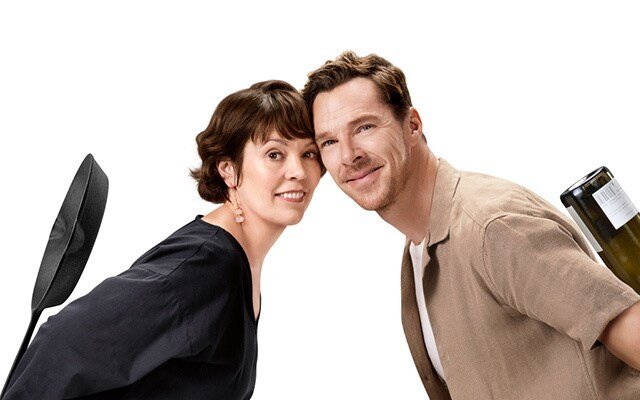
Fear based relationships
🚨 SPOILER ALERT!
The Roses is not a film about a lack of love.
It’s a film about love suffocating under fear.
At its core, the story shows two people who genuinely love each other — and yet slowly destroy their relationship, their joy, and themselves.
Why?
Because they are not leading their lives or their partnership from authenticity, trust, and shared belief.
They are leading from fear.
Fear of losing control.
Fear of being vulnerable.
Fear of depending on the other.
Fear of becoming a team.
🌹 Fear as the Invisible Driver
From the outside, the couple seems successful, functional, even enviable.
But underneath, something fundamental is missing: alignment.
They don’t act from who they truly are.
They perform roles.
They protect territory.
They keep score.
Fear whispers:
“Don’t need too much.”
“Don’t give too much.”
“Don’t lose yourself.”
“Don’t rely on the other.”
And slowly, fear replaces trust.
This is fear-based leadership at home:
👉 controlling instead of collaborating
👉 protecting instead of sharing
👉 proving instead of being
🤝 The Absence of “We”
One of the most painful truths in The Roses is this:
They never fully become a team.
They love each other — but they don’t believe in “us”.
There is no shared vision.
No mutual vulnerability.
No sense that “we are stronger together.”
Leadership — in companies or relationships — collapses the moment “I” overtakes “we”.
Without belief in the team:
every conflict becomes personal
every compromise feels like loss
every difference feels like threat
And loneliness grows — even while sharing the same space.
Lack of Authenticity: The Slow Erosion
The tragedy of The Roses is not betrayal.
It’s self-betrayal.
Each character moves further away from who they really are in order to:
be right
stay safe
avoid discomfort
They stop saying what they feel.
They stop asking for what they need.
They stop showing who they are.
And when authenticity disappears, intimacy follows.
You cannot be deeply connected if you are constantly defending yourself.
💡 The LeaderNess Lens — Fear vs. Force
The Roses is a perfect reflection of the LeaderNess dynamic:
🔹 Find
They are driven by fear:
– fear of vulnerability
– fear of dependency
– fear of losing identity
🔹 Feed
They feed distance, control, and silent resentment.
🔹 Fuel
They fuel isolation — even inside love.
Force-based leadership would have looked different:
authenticity over performance
trust over control
belief in “us” over protection of “me”
✨ Final Reflection
The Roses leaves us with an uncomfortable lesson:
Love is not enough if fear is in charge.
Without authenticity, love becomes performance.
Without belief in the team, love becomes competition.
Without courage, love becomes lonely.
Leadership, in life, relationships, or organizations, begins when we stop protecting ourselves from each other and start building something together.
Otherwise, even love becomes a place of solitude.